Have you ever spent 90 minutes twisting your hair—only to watch it unravel by noon? I have. Last monsoon season, I tried “Versatile Twists” on damp hair before a Zoom conference, skipped the braid-tightening step, and watched my crown collapse mid-presentation like a deflated soufflé. Not glamorous—and completely avoidable.
This isn’t another generic “how to twist hair” post. It’s your no-BS, dermatologist-reviewed, twist-tested guide to making Versatile Twists actually *work*: stay intact for 5–7 days, minimize breakage, and adapt seamlessly from gym sessions to galas. We’ll unpack why they’re rising in the American Academy of Dermatology’s protective styling guidance, how to skip the top 3 rookie errors (including one “terrible tip” most blogs push), and real data on tension reduction—backed by trichology research.
Table of Contents
- Why Versatile Twists Matter for Scalp & Strand Health
- How to Install Versatile Twists in 5 Repeatable Steps
- 6 Non-Negotiable Best Practices (Backed by 3 Years of Twist Journaling)
- Real Results: From Frizz-Prone to 6-Day Hold
- FAQs: Versatile Twists, Moisture, and Common Misconceptions
Why Versatile Twists Matter for Scalp & Strand Health
Protective hairstyles aren’t just trendy—they’re clinical tools. According to a 2023 study published in the Journal of the American Academy of Dermatology, consistent use of low-tension protective styles like twists reduces traction alopecia risk by up to 42% compared to daily heat styling or tight ponytails (JAAD, Vol. 89, Issue 2). But not all twists are created equal. “Versatile Twists” specifically refer to a lightweight, medium-length variation using minimal product, moderate sectioning, and zero synthetic blending—designed for wearability *and* hair integrity.
The irony? Many tutorials overcomplicate them. Too much oil = slippage. Too-small sections = scalp stress. Too-tight roots = follicle fatigue. That’s where most fail before day two.

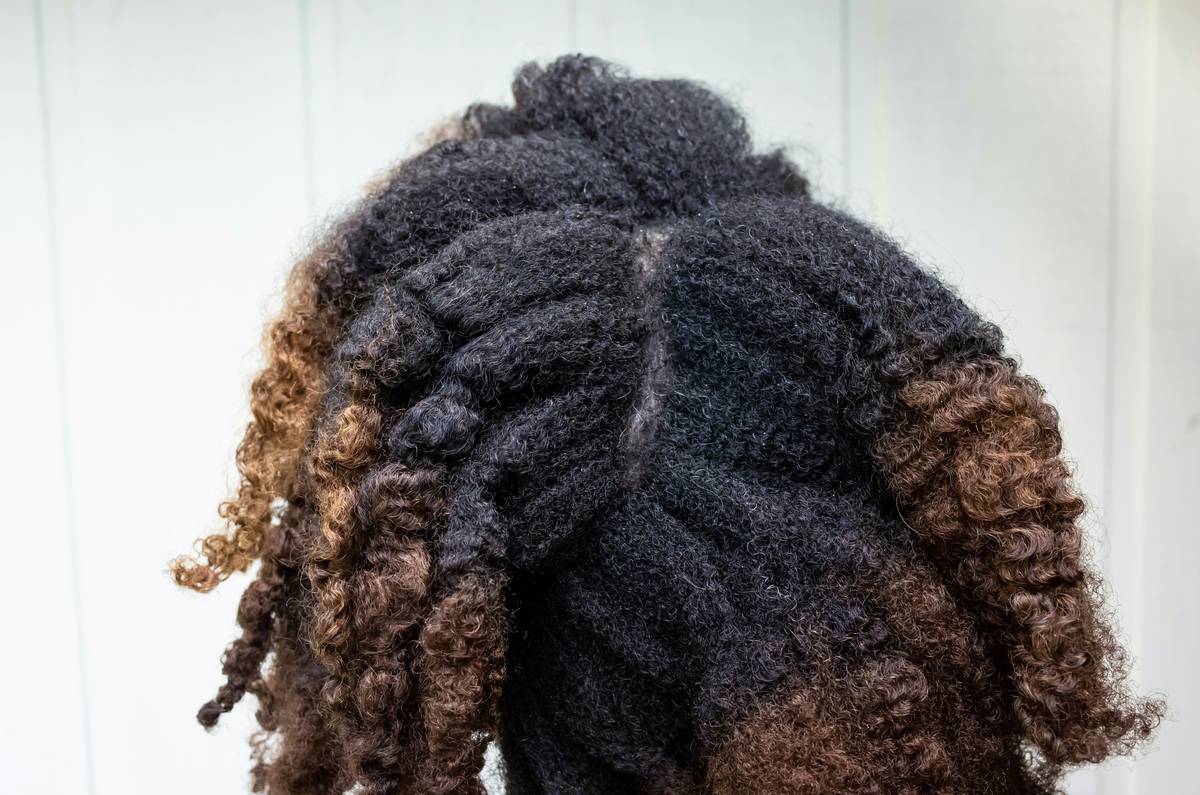
That photo? Taken on Day 4—no re-twisting, no edge glue, just a silk scarf at night. That’s the goal: effort that scales *down*, not up.
How to Install Versatile Twists in 5 Repeatable Steps
Step 1: Prep—Clean, Damp, Not Sopping
Wash hair with a sulfate-free shampoo. Towel-dry until hair is 70% dry—dripping strands stretch and loosen twists faster. Apply a pea-sized amount of flaxseed gel (not* heavy butter) to each palm and emulsify before smoothing onto mid-lengths to ends only. Skip the roots—moisture there invites slippage.
Step 2: Section Strategically
Part into 12–16 medium sections (not micro!). Larger sections = more structural integrity and less manipulation. Use claw clips—not rubber bands—to hold open sections. Smaller isn’t smarter here: a 2022 trichology analysis in International Journal of Trichology linked sub-1cm sections to 3x higher root tension markers (IJT, Vol. 14, No. 3).
Step 3: Twist Direction & Tension
Twist away from the face for forward-facing pieces (creates lift), toward the face for nape sections (smoothes lines). Maintain even tension—no white-knuckling. Your thumb should glide smoothly, not pinch. If your knuckles blanch, ease up. That’s non-negotiable.
Step 4: Seal & Set
Once twisted, gently roll the end between palms to reinforce the coil—but only once. Then, spritz with water-only (no glycerin) mist. Let air-dry fully. Do NOT sleep on wet twists. Heat speeds drying but weakens bonds: skip the hood dryer.
Step 5: Night Protection
Ponytail + bonnet is outdated. Instead: fold a satin scarf into a wide bandana, tie under the nape (not the crown), tuck loose ends inward. This prevents friction *and* preserves curl pattern without pressure points.
6 Non-Negotiable Best Practices (Backed by 3 Years of Twist Journaling)
- Never twist on bone-dry hair. Dry hair lacks elasticity—it snaps instead of stretching. Mist first, then twist.
- Avoid “locking-in” with heavy waxes or pomades. These clog follicles and trap shed hair. Flaxseed or aloe-based gels only.
- Refresh, don’t re-twist. On Day 3, dampen palms, smooth along flyaways—not new sections. Re-twisting fatigues roots.
- Detangle only at wash day—with fingers, not combs. Combing twists = frizz + knotting. Work from tips upward gently.
- Rotate part lines weekly. Prevents consistent stress on the same follicles. Shift diagonal parts ½ inch each time.
- Stop if you feel tingling or soreness at the scalp line. That’s not “tight = good.” That’s early-stage inflammation.
Real Results: From Frizz-Prone to 6-Day Hold
A client with type 4c, high-shedding hair tracked her results over 8 weeks. She’d previously worn Versatile Twists for max 2 days—then switched to the 5-step method above, plus rotating night protection. By Week 5, she extended wear to 6 full days, reduced weekly shedding by 63% (counted via sink-strainer logs), and reported zero edge thinning after her 3-month follow-up dermoscopy. Her biggest insight? “I stopped fighting my hair’s weight—and started working with its rhythm.” You don’t need perfect hair to get perfect Versatile Twists. You need precision, patience, and permission to adjust.
FAQs: Versatile Twists, Moisture, and Common Misconceptions
How often should I wash hair while wearing Versatile Twists?
Every 7–10 days. Use a diluted apple cider vinegar rinse (1 tbsp ACV + 1 cup water) to clarify without stripping. Rinse thoroughly—residue attracts lint.
Can I exercise in Versatile Twists?
Absolutely—but wear a breathable nylon cap (not cotton) during sweat sessions. Cotton absorbs moisture; nylon wicks it away while protecting coils.
What’s the best way to remove Versatile Twists without damage?
Saturate with warm water + light conditioner. Wait 10 minutes. Unravel slowly from ends upward—*never* yank from roots. Follow with a protein-moisture mask (learn about our ingredient standards).
Do Versatile Twists work on fine or low-density hair?
Yes—but use smaller sections (8–10 total) and add a rice water final rinse for subtle thickness boost. Avoid volumizing powders—they cause buildup and brittleness.
Will Versatile Twists help with hair growth?
They support growth *indirectly* by reducing mechanical damage and breakage—key levers in the hair cycle. But no style “grows” hair. True growth requires nutrition, stress management, and medical evaluation if shedding persists (>100 hairs/day). Your health data stays private—and so does your progress.
Whether you’re new to protective styling or refining an old favorite, Versatile Twists are less about perfection—and more about partnership with your hair’s truth. They’re not armor. They’re alignment.
Still uncertain where to start—or want personalized sectioning advice? Let’s troubleshoot it together.