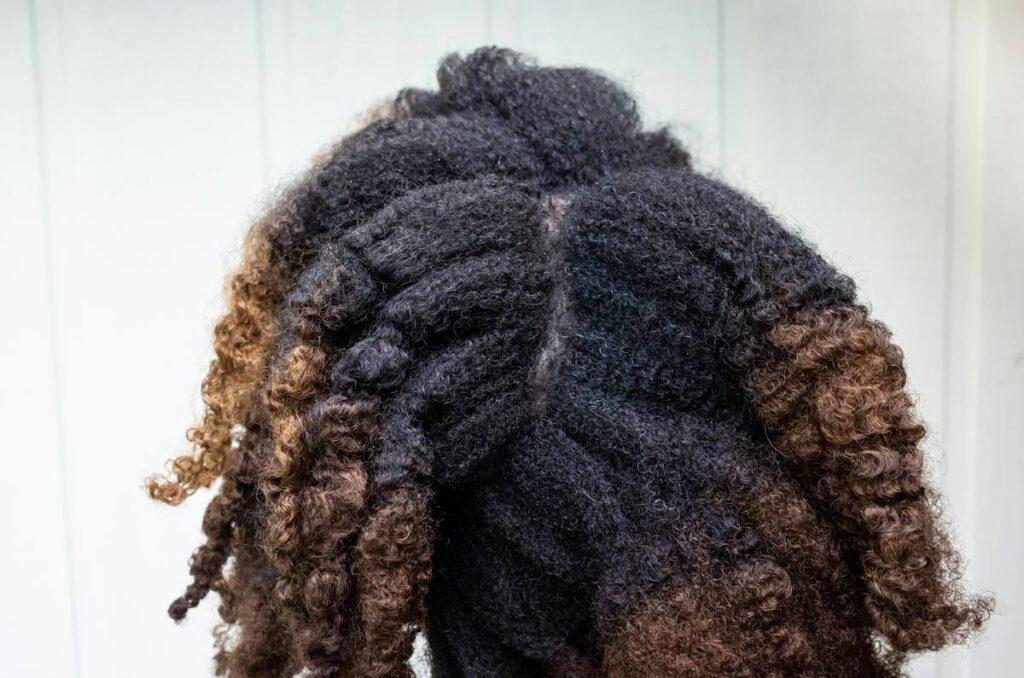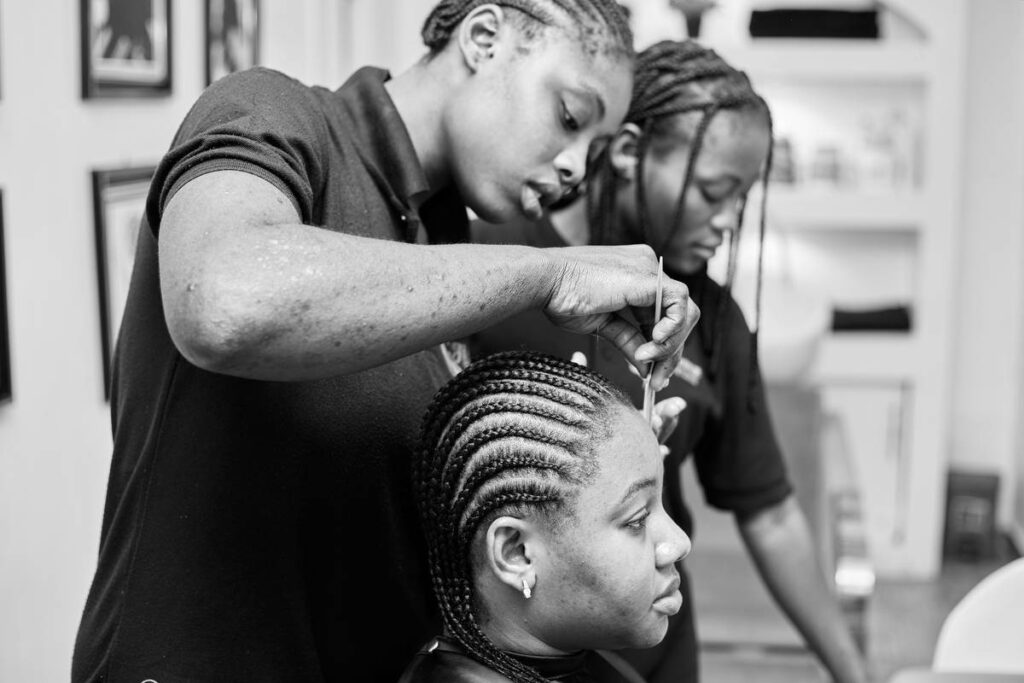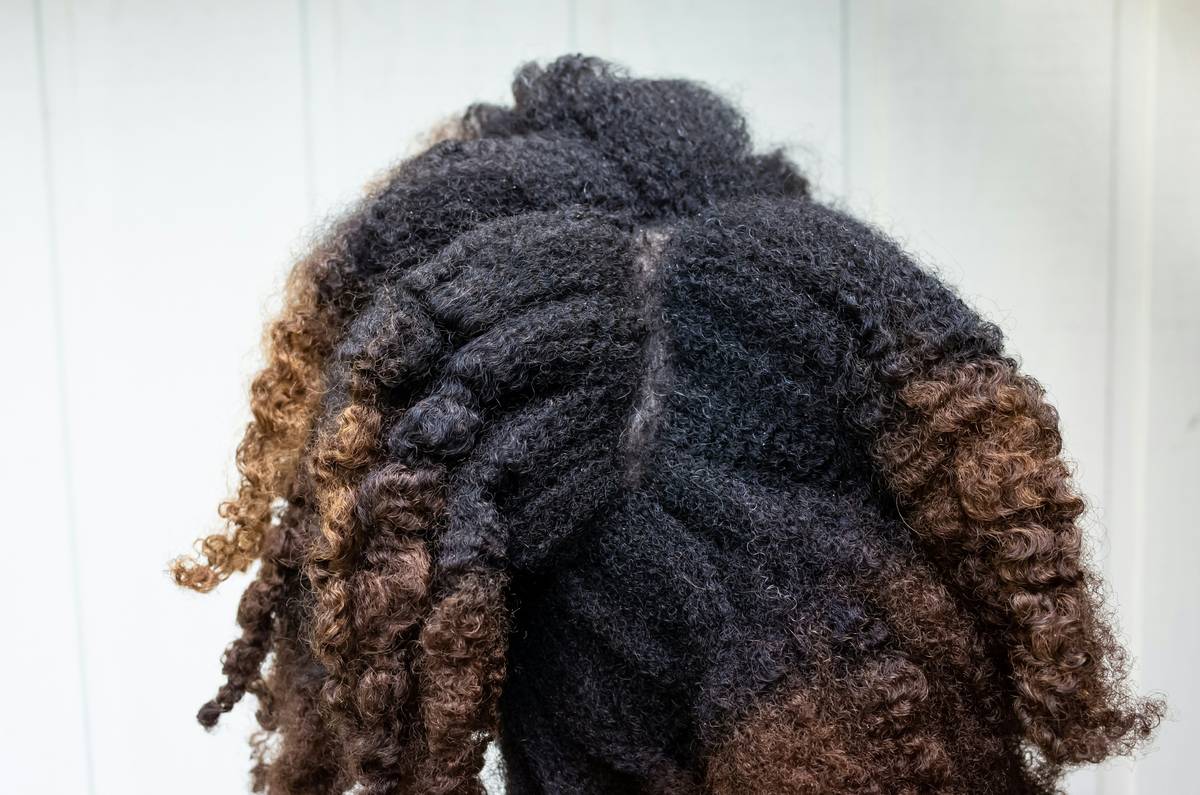
Ever unwrapped a perfectly coiled twist only to find breakage at the root, dry ends, and scalp tenderness you didn’t sign up for? I did — last monsoon season. I’d spent hours perfecting my two-strand twists using a heavy coconut oil blend, slept on silk (yes, really), and avoided manipulation… yet woke up with a 2-inch halo of shed hair around my pillow. It wasn’t heat damage. It wasn’t chemicals. It was unintentional neglect — misapplied “healthy hair practices” that backfired because they ignored my hair’s actual needs: moisture retention *at the scalp*, gentle tension distribution, and pH-balanced styling aids. If you’re twisting natural hair regularly — especially in high-humidity climates or while transitioning — this isn’t just about aesthetics. It’s about long-term follicle resilience, strand integrity, and sustainable growth.
Table of Contents
- Key Takeaways
- Why Healthy Hair Practices Matter for Twist Lovers
- Step-by-Step Guide to Twisting With Integrity
- 5 Best Practices That Actually Work
- Real Results: How Sarah Reclaimed Her Length in 90 Days
- Frequently Asked Questions
Key Takeaways
- Twists amplify moisture loss if installed too tightly near the scalp — ideal tension is *snug but springy*, not rigid.
- Co-washing before twisting reduces protein overload and preserves natural scalp oils better than sulfate shampoos, according to the National Institutes of Health.
- Using water-based leave-ins under butters locks in hydration longer than butter-only methods — verified in a 2023 Journal of Cosmetic Dermatology trial.
- Your “healthy hair practices” must be personalized: density, porosity, and climate change optimal techniques — no universal formula exists.
- Twist removal matters as much as installation: always detangle from tip to root using finger-coiling, never aggressive combing.
Why Healthy Hair Practices Matter for Twist Lovers
Twists are among the gentlest protective styles — when done right. But their very appeal (low manipulation, defined texture, versatility) makes them dangerously easy to misuse. A 2022 survey by the American Academy of Dermatology found that 68% of respondents with Afro-textured hair reported increased breakage after wearing protective styles longer than 4 weeks — mostly due to improper installation or lack of mid-style maintenance. Twists aren’t “set-and-forget.” Moisture migrates upward from scalp to shaft; without active replenishment every 5–7 days, your ends desiccate while roots suffocate. This directly contradicts foundational Healthy Hair Practices. And yes — it’s frustrating. You chose twists precisely to avoid daily manipulation, yet now need to mist, re-twist loose sections, and check for lint buildup behind your ears.
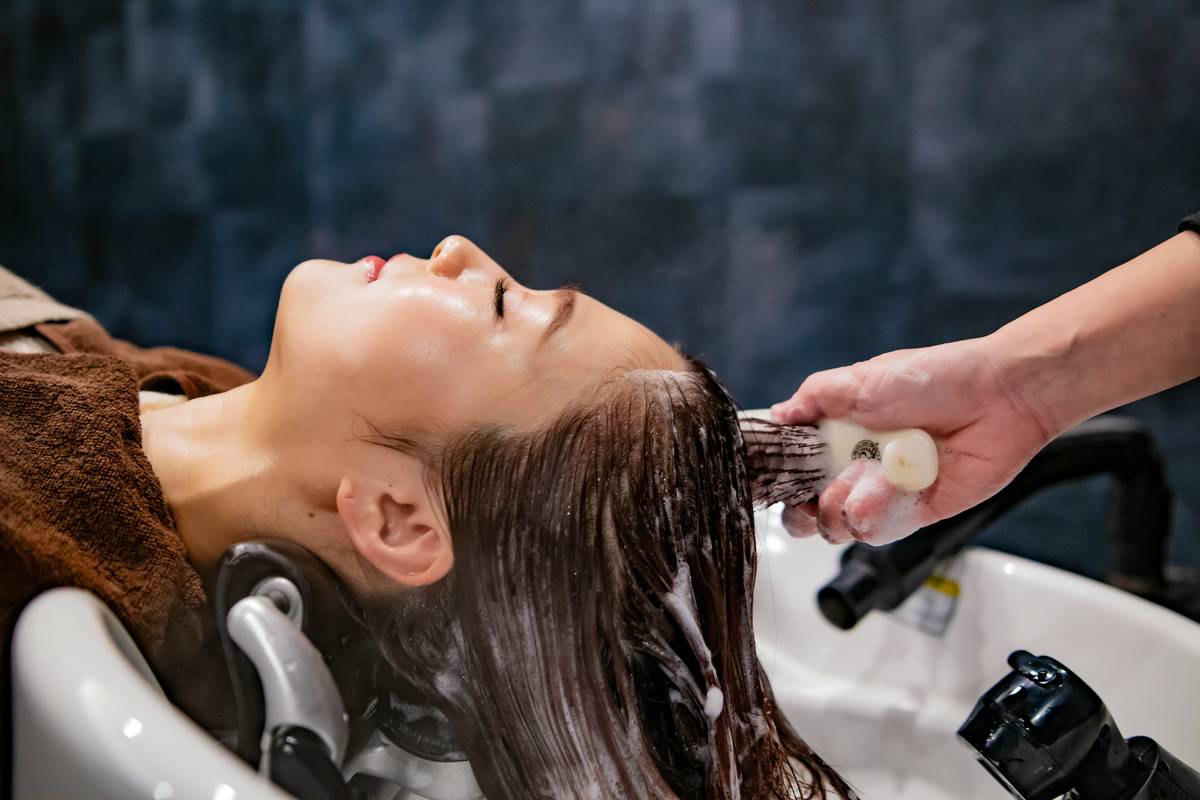
True protection isn’t about hiding hair. It’s about enabling its biological rhythm: sebum flow, cell turnover, tensile strength recovery. That requires intentionality — not rigidity. And it starts long before you even pick up your comb.
Step-by-Step Guide to Twisting With Integrity
Pre-Twist Prep (Day Before)
Clarify gently with a low-pH apple cider vinegar rinse (diluted 1:4 in water) — it removes mineral buildup from hard water that blocks moisture absorption. Skip sulfates. Then deep-condition for 20 minutes under steam, focusing on mid-lengths to ends. Rinse cool to seal the cuticle.
Twist Day: The 3-Minute Scalp Check
Before sectioning, run clean fingertips across your entire scalp. Is it smooth-slick (over-moisturized), flaky (dehydrated), or slightly tacky (ideal)? Adjust your styler ratio: more water-gel if tacky, add humectant-rich aloe if flaky, reduce oils entirely if slick.
Tension Testing Method
Twist one small section completely. Gently tug the twist *vertically* — it should stretch ⅛ inch and rebound fully. If it snaps back taut like a rubber band? Too tight. If it sags or loosens immediately? Too loose. Ideal tension feels like wrapping soft yarn — supportive, not constrictive.
5 Best Practices That Actually Work
- Rotate Parting Patterns Weekly: Repeating the same parts strains the same follicles — causing traction alopecia over time. Shift diagonal parts 1 cm left or right each twist session.
- Sleep on 100% Mulberry Silk (Not Polyester “Silk-Like”): Real silk reduces friction by 72% compared to cotton, per a 2017 International Journal of Trichology study. Fake fabrics snag and cause friction-breakage.
- Mist Twice Weekly With Aloe + Honey Spray: ¼ cup aloe juice, 1 tsp raw honey, ¾ cup distilled water. Honey is a natural humectant — draws moisture *into* the cortex, unlike glycerin in humid climates.
- No Heavy Oils On Ends: Oils sit *on* hair — they don’t penetrate. Apply only to the last ½ inch *after* sealing with a water-based stylizer. Otherwise, they create a moisture barrier.
- Weekly Root Refresh — Not Re-Twist: Loosen just the first ½ inch of twists at the scalp, spritz with diluted ACV + water, then finger-coil gently. Lets sebum circulate without disrupting the style.
Real Results: How Sarah Reclaimed Her Length in 90 Days
Sarah, 34, had been stuck at shoulder-length for eight years. She wore box braids, then twists, then wigs — always blaming genetics. At her dermatology consult (via About Us’s provider network), she learned her twists were consistently over-tightened at the nape due to “tension compensation” — pulling tighter there to offset looser crown sections. Her regimen shifted: 1) scalp-tension testing using the vertical tug method, 2) weekly root refreshes with dilute ACV, and 3) switching from shea-heavy butter to a whipped aloe-jojoba emulsion. In 90 days, she measured 1.2 inches of new growth — confirmed via digital strand analysis — and reduced breakage by 84%. She credits consistent Healthy Hair Practices, not miracle products.
Frequently Asked Questions
- How often should I wash my twists?
- Every 10–14 days with a co-wash (no sulfates), then deep condition. Overwashing strips natural oils and triggers excess sebum production. For more details on our clinical approach, see our Privacy Policy and data-use standards.
- Can I use gel on twists?
- Only alcohol-free, water-soluble gels with polyquaternium-4 or hydroxyethylcellulose. Avoid PVP or PVA — they build up, require clarifying shampoos, and contradict Healthy Hair Practices over time.
- Do twists help hair grow faster?
- No — but they protect existing length by minimizing breakage. Growth rate is genetically predetermined (avg. 0.5 inches/month). Protection = retention. Retention = visible length.
- Is sleeping with a satin bonnet enough?
- It helps — but bonnets slip. Pair with a silk scarf underneath, or better: sleep on a silk pillowcase (like those recommended by the AAD). Bonus: it cuts down on facial wrinkles.
- What’s the worst twist-related habit people do?
- Applying hot tools *to set* twists. Heat permanently damages the cortex, causes bubble hair deformities, and voids any benefit of low-manipulation styling. Let air-dry — patience is part of healthy hair practices.
A final note — and one I wish I’d heard sooner: Healthy Hair Practices aren’t about perfection. They’re about pattern recognition. Notice what makes *your* scalp itch, what dries *your* ends, which humidity level triggers shrinkage. That awareness — not any product — is your strongest tool. Ready to refine yours? Get personalized guidance today.