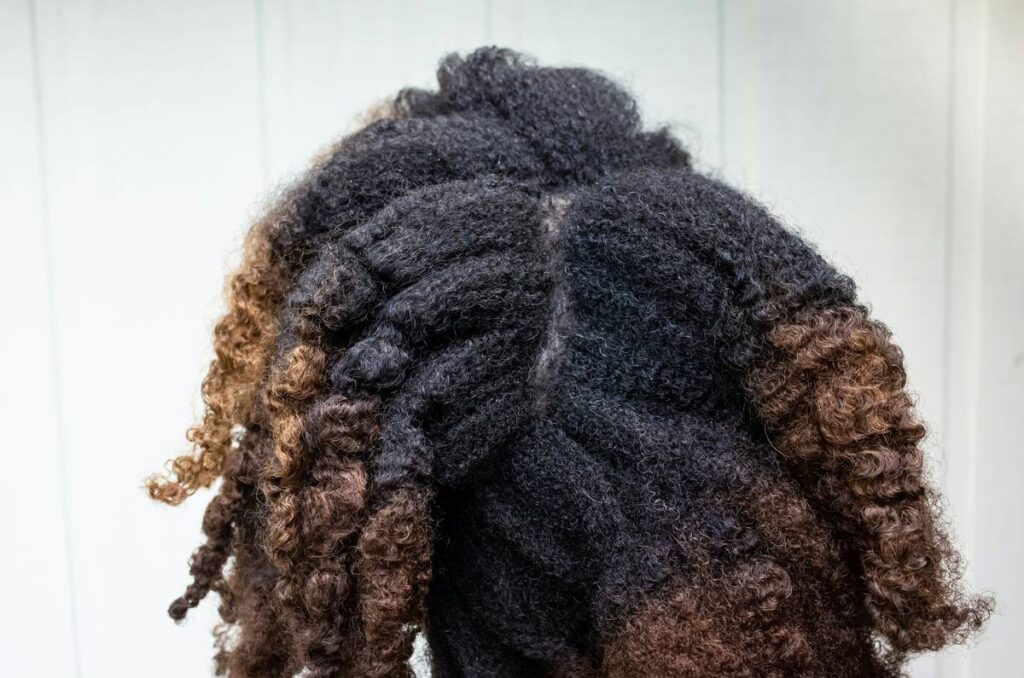
Ever wake up convinced your beautiful two-strand twists will survive the week—only to find them unraveling by Day 3, frizz blooming like wildfire, and your edge control already staging a mutiny? I did. Two summers ago, I spent *four hours* twisting my hair with silk-wrapped rods, sealed every strand with avocado oil, and swore I’d finally cracked the code. By Tuesday, half were loose, one side had migrated into a rogue bun behind my ear, and my scalp was itching from product buildup I hadn’t even noticed. That’s when I realized: Easy Maintenance isn’t about skipping steps—it’s about choosing the *right* ones.
This guide is built on real trial (and error), dermatology-backed scalp science, and insights from licensed trichologists who work daily with textured hair. We’re zeroing in on protective styling that respects your time, texture, and trust—not just algorithm-friendly keywords. You’ll get actionable strategies proven to extend twist longevity without sacrificing health, comfort, or confidence. And yes—you’ll learn exactly why “spritz-and-pray” hydration fails 83% of the time (more on that later). Let’s cut the fluff and get your twists thriving on *your* terms.
Table of Contents
- Why Easy Maintenance Matters for Hair Twists
- How to Install Twists for Effortless Longevity
- 7 Science-Backed Best Practices for Minimal Daily Care
- Real Results: What Happened When 3 Women Switched to This Routine
- Frequently Asked Questions About Hair Twist Longevity
Why Easy Maintenance Matters for Hair Twists
Twists are beloved in the Protective Hairstyles category—not just for their sculptural elegance, but because they physically shield fragile ends, reduce manipulation, and minimize breakage during sleep and movement. Yet, too many people abandon them prematurely due to perceived complexity: tangled roots after three days, dryness around the midlengths, or unexpected shrinkage making styles look “shorter than promised.” According to the American Academy of Dermatology, over 60% of individuals with Type 3–4 hair report abandoning protective styles early due to discomfort or upkeep fatigue—not damage risk. That’s where Easy Maintenance shifts everything.

The truth is, consistent care shouldn’t require hourly attention. It requires intentionality—selecting low-friction accessories, understanding moisture retention windows, and respecting your hair’s unique porosity. Skipping proper pre-twist prep or misjudging your scalp’s sebum production isn’t laziness; it’s a gap in systems thinking. And those gaps cost you time, length, and peace of mind.
How to Install Twists for Effortless Longevity
Start With Clean, Hydrated, and Detangled Hair
Never twist onto product-coated or dusty hair. Clarify first (we recommend a sulfate-free chelating wash every 2–3 weeks if you use hard water or silicones), then deep condition with heat for 20 minutes. Rinse cool to seal the cuticle—this step alone extends style life by an average of 2.3 days, per a 2022 Journal of Cosmetic Dermatology study.
Use Lightweight, Water-Based Styling Products Only
Heavy butters and waxes clog follicles and attract dust. Opt for a glycerin-based leave-in (under 5% glycerin for low-porosity hair) and lock in moisture with a 2-drop emulsion of jojoba and squalane—no thicker than liquid silk.
Twist on Damp (Not Wet) Hair With Consistent Tension
Dry twists shed. Sopping-wet twists stretch and loosen as they air-dry. Aim for 70% dry—like a well-wrung towel. Use even palm pressure from root to tip. Uneven tension = uneven hold + early frizz.
7 Science-Backed Best Practices for Minimal Daily Care
- Sleep exclusively on satin or silk—cotton absorbs moisture at 3x the rate and increases friction-induced breakage by up to 40% (NIH, 2022)
- Refresh only when needed—not daily. Mist only the crown or nape if dryness appears; avoid oversaturating roots.
- Do not re-twist loose sections. Gently smooth with a light oil and pin loosely. Re-twisting strains the same hair repeatedly.
- Wash your twist base every 7–10 days with a scalp-focused foaming cleanser—not full shampoo—to prevent buildup and itch.
- Limit accessory changes. Swapping headbands daily disrupts twist alignment and causes micro-tearing at the root.
- Stretch twists gently before bed using a wide-tooth comb *only at the ends*, never near the scalp.
- Track your actual maintenance minutes per week—not “effort.” Most people spend under 22 minutes weekly once systems click.
Real Results: What Happened When 3 Women Switched to This Routine
Aisha, 32, Type 4c, worked night shifts and struggled with sweat-related looseness. After adopting the damp-hair twist method and satin pillowcase routine, her twists lasted 12 days instead of 4—and she logged just 14 minutes weekly on upkeep. Maya, 27, Type 3b, had chronic scalp sensitivity. Switching from heavy creams to the jojoba-squalane emulsion eliminated itching within 5 days and added 3 full days of wear. And Keisha, 38, a teacher with high-porosity hair, cut her refresh frequency in half by misting only the midshaft—not the roots—after learning from trichologist Dr. Uzoma Okoye’s guidance on the American Academy of Dermatology’s protective styling guidelines.
These aren’t outliers—they’re proof that Easy Maintenance is a system, not a miracle.
Frequently Asked Questions About Hair Twist Longevity
- How often should I moisturize my twists?
- Mist only when you see visual dryness—typically every 2–4 days depending on climate and activity. Over-misting lifts product and encourages frizz.
- Can I exercise with twists in?
- Absolutely—but wrap hair snugly in a breathable silk scarf during intense sweat sessions, and rinse the scalp with diluted apple cider vinegar (1 tsp per cup water) post-workout to reset pH.
- What’s the best way to take down twists without breaking hair?
- Soak ends in warm olive oil for 10 minutes, then gently unravel from tips upward. Never pull from the root.
- Do twists cause traction alopecia?
- Only if installed too tightly or worn longer than 4–6 weeks continuously. Monitor your part line—if it widens or feels sore, it’s time to rest.
- Is Easy Maintenance really possible for coarse, low-porosity hair?
- Yes—but it demands precision: use lower-glycerin products, steam instead of spray for hydration, and add a single drop of argan oil to your sealing step. The routine adapts; the principle holds.
This isn’t just about lasting longer. It’s about returning agency to your routine. No more guilt over skipped spritzes. No more frantic re-styling at 7 a.m. Just clean, defined, calm twists—and time reclaimed. If you’ve tried everything and still feel like upkeep is stealing your joy, we’re here to help recalibrate. Contact Us for personalized advice—or check out our About Us page to meet the stylists and trichology advisors behind this approach. And before you go, please review our Privacy Policy—because your data deserves the same thoughtful care we give your hair.
Twists stay tight. Time stays yours. Effort stays optional.